
Security Camera Cabling Basics for Commercial Buildings in Las Vegas
Planning a security camera system? The cabling is as important as the cameras. Here is what commercial property owners and managers in Las Vegas need to know.
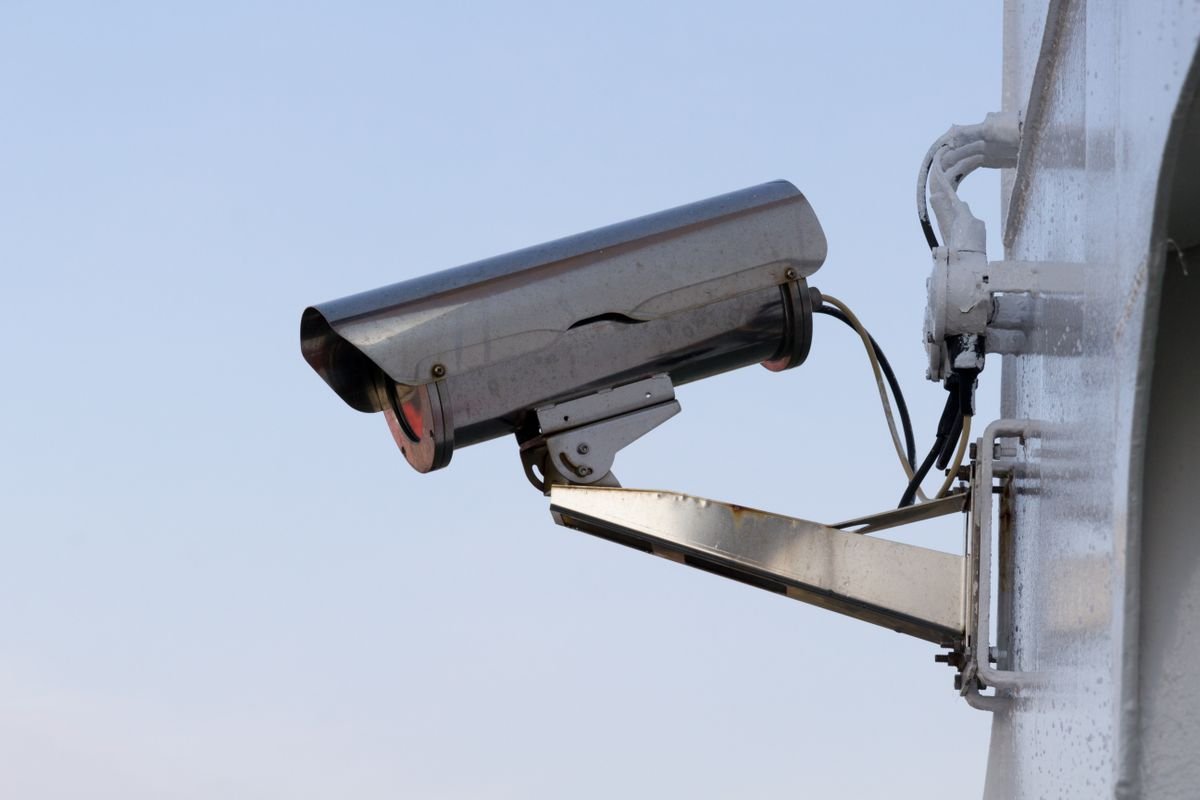
How Modern IP Security Cameras Are Wired
Most commercial security cameras installed today are IP cameras that run over standard Cat6 ethernet cable using Power over Ethernet (PoE). This means the same type of cable used for your office network — Cat6 from a keystone jack to a patch panel — is also the cable used for your security cameras.
PoE cameras get both their data connection and their operating power from the ethernet cable. No separate power supply is needed at each camera location, which simplifies the installation significantly compared to older analog camera systems that required a separate power cable.
The camera connects at one end to a PoE switch or PoE injector, which supplies the power. At the other end, the cable terminates at the camera mount location. The camera is then connected via a short patch cord.
Planning Camera Locations and Cable Pathways
The most important planning step is determining camera locations before pulling any cable. Cameras installed in the wrong locations are expensive to move, and the cable pathway from each camera back to the NVR affects both installation cost and the final appearance of the system.
For commercial buildings, common camera locations include building entrances, parking areas, loading docks, server rooms, reception areas, and internal corridors. The goal is coverage of access points and high-value areas without excessive camera count.
Each camera needs a home-run cable back to the NVR location. Planning the NVR location centrally — in the network closet or a secure room — and routing cables efficiently from there to each camera location is the foundation of a clean installation.
Related Services
What the NVR Setup Requires
The NVR (Network Video Recorder) is the central recording and management point for an IP camera system. It needs a network connection back to your switch, power with a UPS for continuous operation, and enough storage for the retention period your security policy requires.
If your cameras connect directly to the NVR via PoE ports (common in smaller systems), the NVR location needs cables from all cameras. If cameras connect to a PoE switch that then connects to the NVR over the network, the cabling topology is more flexible.
Running Camera Cable in Different Building Types
Office buildings with drop ceilings are the most straightforward — cable can run above the tiles and drop to camera mount locations. The cable pathway is mostly hidden, and access is relatively easy during construction or with a ceiling tile removed.
Exterior cameras require cables that can handle exposure to weather at the point where they exit the building. Interior-to-exterior transitions need proper weatherproofing, and outdoor camera locations may require conduit for cable protection.
Warehouses and industrial facilities often require conduit along the ceiling structure, both for cable protection and because the high ceilings and exposed structure make a conduit installation more appropriate than open cable runs.
Coordinating Cabling with Your Security Integrator
Most commercial security camera projects involve two parties: the cabling contractor who runs the physical cable and mounts the cameras, and the security integrator or IT team who configures the NVR, sets up recording schedules, and manages remote access.
We coordinate with your security integrator on camera locations, NVR placement, and any specific cabling requirements for the hardware being installed. Getting both parties aligned before any work begins avoids the common problem of discovering conflicts between what the integrator planned and what the cabling contractor installed.
Have a data cabling project in Las Vegas?
We provide free estimates for ethernet, fiber, WiFi, VoIP, and low-voltage cabling across the Las Vegas valley. Call us or request a quote online.
Related Services
Network Cabling Services
Structured network cabling for offices, clinics, and warehouses. Built for reliability with proper testing, labeling, and documentation.
Learn more →Security Camera Installation
Low-voltage cabling and PoE wiring for commercial security camera systems. Clean runs, proper terminations, and NVR network integration.
Learn more →Low Voltage Cabling
Complete low-voltage cabling services for voice, data, cameras, and wireless. Clean installation with documentation for new buildouts and renovations.
Learn more →Need data cabling in Las Vegas?
Las Vegas Data Cabling provides ethernet, fiber, WiFi, VoIP, and low-voltage cabling for businesses across the Las Vegas valley. Get a free quote.